
Overview
Oktoberfest began on 12 October 1810, when Munich celebrated the wedding of Crown Prince Ludwig — later King Ludwig I — and Princess Therese of Saxe-Hildburghausen with horse races on a meadow outside the city gates. The field was named the Theresienwiese in the bride's honour, and the celebration was repeated the following year. Over two centuries it grew from a royal party into a vast folk festival that draws around six million visitors.
Despite the name, most of Oktoberfest takes place in September. It runs for around 16 to 18 days, finishing on the first Sunday in October (extended to German Unity Day on 3 October when needed). Entry to the grounds and tents is free — you pay only for what you eat, drink and ride.
The six breweries
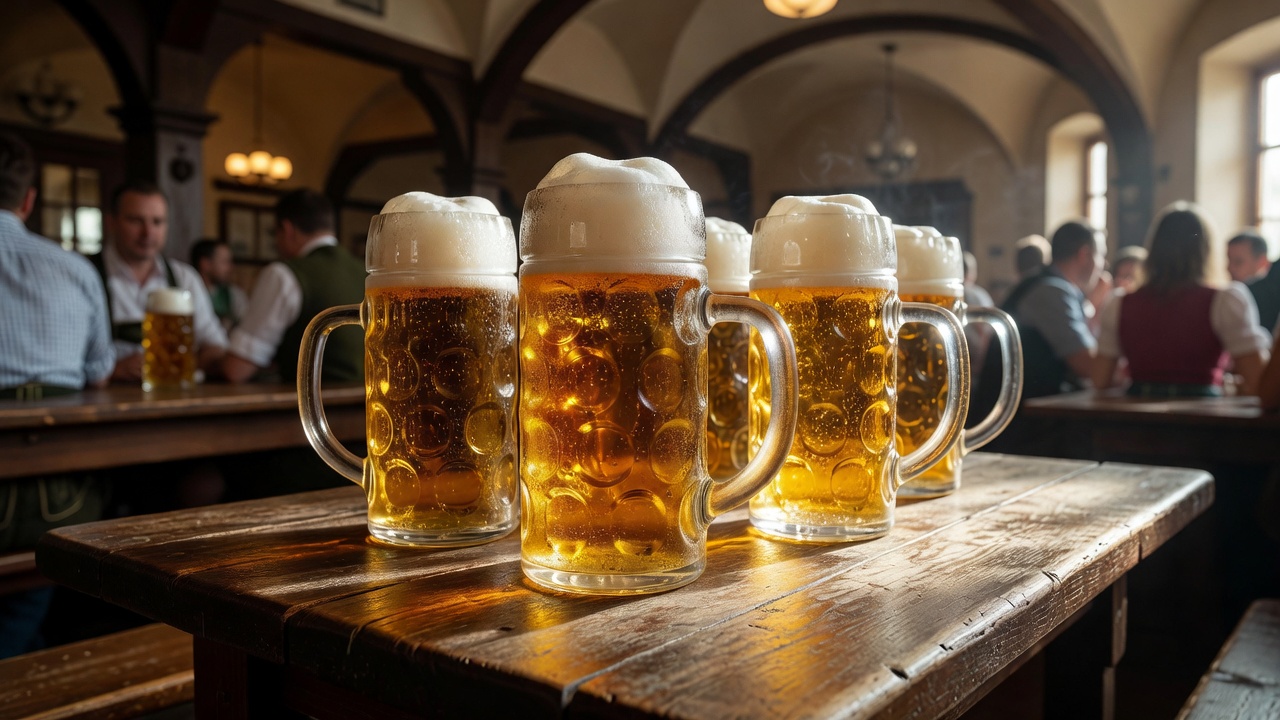
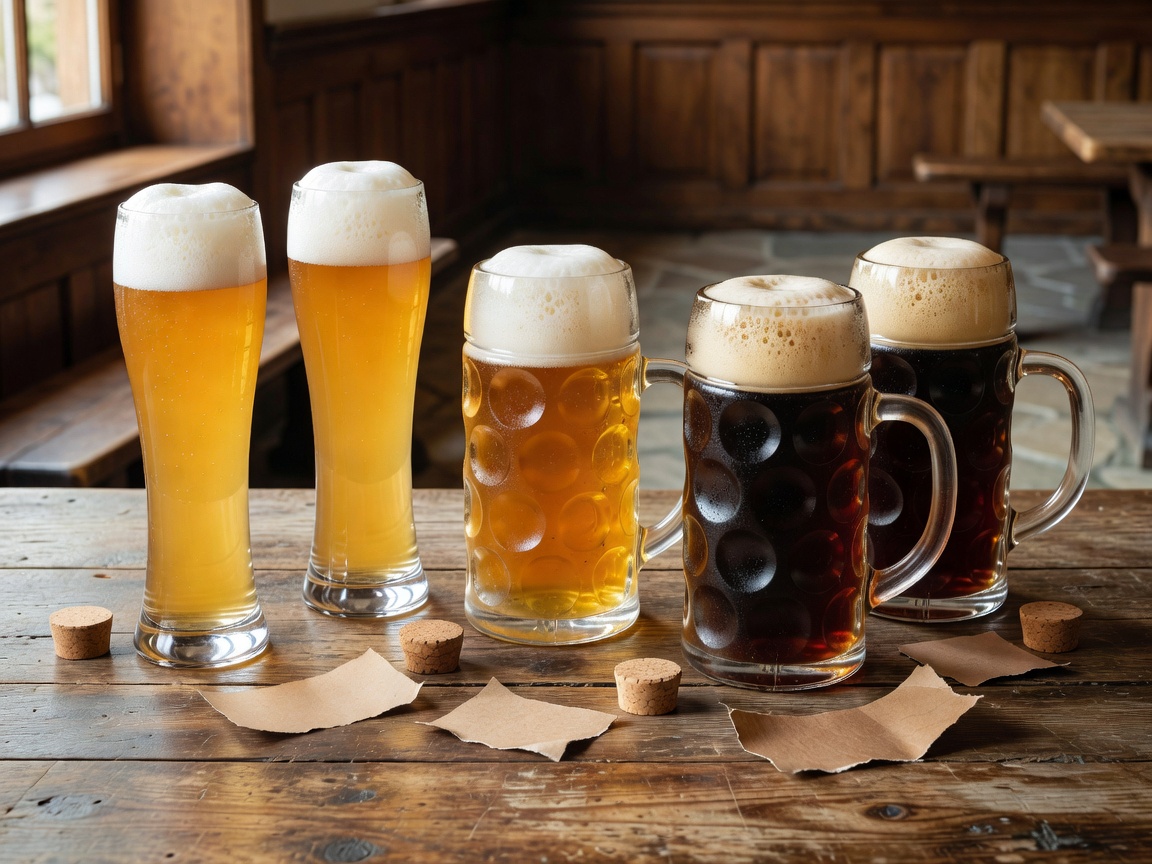
Only beer brewed within Munich's city limits may be served at Oktoberfest. That means six breweries: Augustiner, Hacker-Pschorr, Hofbräu, Löwenbräu, Paulaner and Spaten. Each brews a special Oktoberfestbier — golden, malty and a little stronger than everyday Helles, usually around 6% ABV — served exclusively by the one-litre Maß.
The tents
The festival is famous for its large beer tents, each with its own character, band and brewery. Some of the best known:
- Schottenhamel — where the festival officially opens at noon on the first Saturday, when the Mayor of Munich taps the first keg and cries "O'zapft is!" ("It's tapped!").
- Augustiner-Festhalle — loved by locals for beer served from traditional wooden barrels.
- Hofbräu-Festzelt — lively and popular with international visitors.
- Käfer's and the smaller tents — cosier spaces with a more upmarket food focus.
Don't miss the Oide Wiesn ("Old Wiesn"), a historic section with vintage rides, traditional brass music and a gentler pace. It charges a small entry fee and is often less crowded.
Food
Order like a Münchner: half a roast chicken (Hendl), a giant pretzel (Brezn) with Obazda cheese spread, pork knuckle (Schweinshaxe), or fish grilled on a stick (Steckerlfisch). Roasted sugared almonds from the stalls make the classic walk-home snack.
Pros & cons
👍 Pros
- An atmosphere no other festival can match
- Free entry to the grounds and tents
- Beer from six historic Munich breweries
- Traditional dress, music and food at every turn
👎 Cons
- Enormous crowds, especially at weekends
- Munich hotel prices soar during the festival
- Beer only by the litre — and it's not cheap
- Tents may close their doors when full
Visiting tips
- Arrive on a weekday morning: tents open early and unreserved seats go fast.
- Reservations are made directly with individual tents, often many months ahead — and usually require a minimum spend on food and drink vouchers.
- You must be seated to be served in the tents. Standing on benches to sing is tradition; standing on tables is not.
- Book accommodation as early as possible, or stay outside the city and travel in by S-Bahn.
- Pace yourself: a Maß of strong festival beer is roughly two British pints.
Insider tip: When the band strikes up "Ein Prosit", raise your stein, say "Prost!" and look each person in the eye as glasses meet. Folklore says breaking eye contact brings seven years of bad luck.
Getting there
The Theresienwiese is a short walk south-west of Munich Hauptbahnhof. The nearest U-Bahn stations are Theresienwiese (U4/U5) and Goetheplatz (U3/U6), though they get extremely busy at peak times — walking from the main station is often quicker.