
Overview
On 5 October 1842, Bavarian brewer Josef Groll brewed the first batch of a new pale lager in the Bohemian city of Plzeň (Pilsen). Combining pale malt, the city's soft water and Saaz hops, it produced a clear, golden beer that was unlike anything before it. That beer is today's Pilsner Urquell — "Urquell" meaning "original source" — and almost every golden lager on Earth descends from it.
Pilsner Fest celebrates that anniversary. Traditionally held around early October in and around the brewery grounds, it combines live concerts, food stalls and family activities with plenty of beer. Entry has traditionally been free, but always check the official site for the current year's dates and format.
The beer — and how it's poured
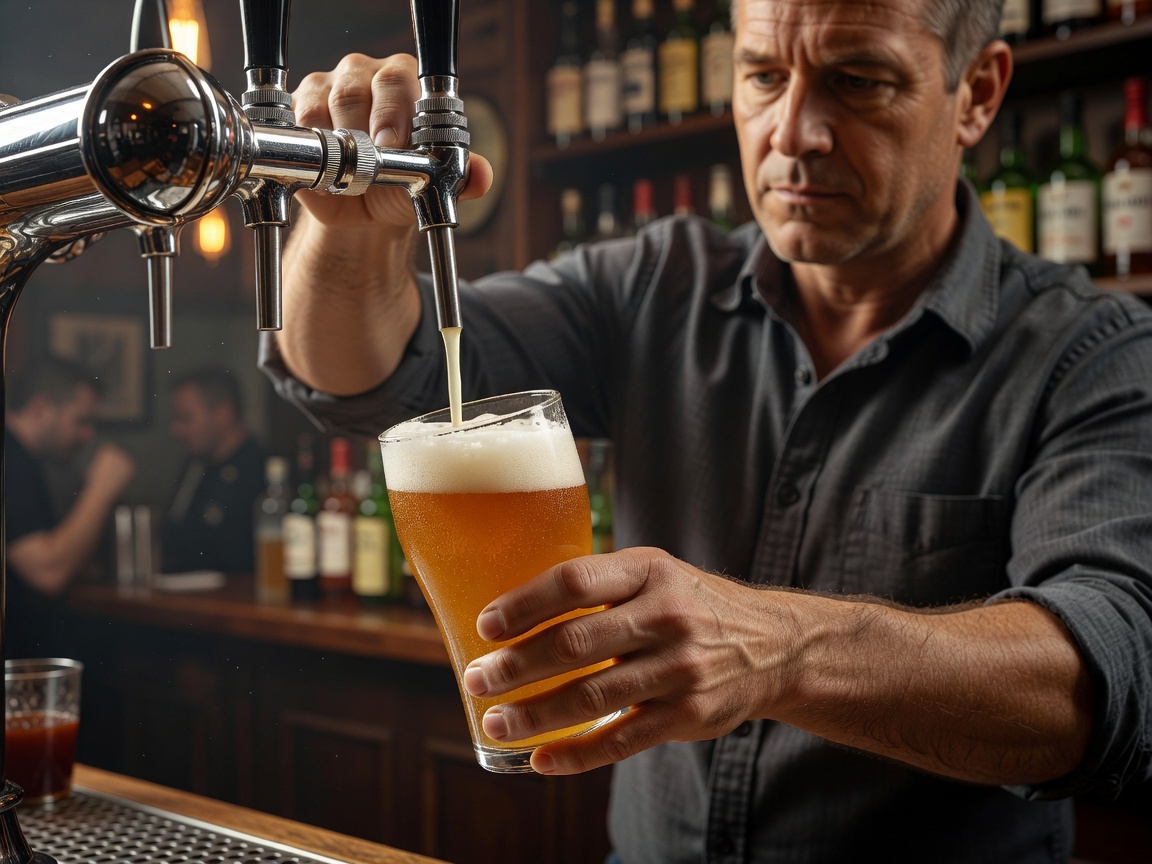
The star is unpasteurised tank Pilsner, fresher and softer than the bottled export version. Czech bartenders take pouring seriously, and you'll often be offered one of three classic styles:
- Hladinka — the standard pour: about three fingers of dense, wet foam over golden beer.
- Šnyt — a glass part-filled with beer under a thick layer of foam; a smaller "taster" pour.
- Mlíko — a glass of almost pure creamy foam, meant to be drunk quickly. Sweeter than you'd expect.
Beyond the festival
Make time for a brewery tour, which typically includes the historic sandstone cellars where beer was once fermented in open wooden vats and lagered in oak barrels — often with a chance to taste unfiltered beer straight from the wood. The city's old town, with its vast main square and Gothic cathedral, is a short walk away.
Food
Czech beer food is hearty and perfectly matched to crisp lager: svíčková (beef in cream sauce with dumplings), roast pork with sauerkraut, sausages, and pub snacks such as nakládaný hermelín (pickled soft cheese) and utopenci (pickled sausages).
Pros & cons
👍 Pros
- Drink Pilsner at its source, at its freshest
- Relaxed, local atmosphere with live music
- Czech beer prices are kind to visitors
- Easy day trip from Prague by train
👎 Cons
- Focused on a single brewery's beers
- Dates and format can change year to year
- Smaller scale than the big German festivals
- Accommodation in Plzeň is limited at peak times
Visiting tips
- Book a brewery tour in advance — English-language slots fill quickly around the festival.
- Try a hladinka, a šnyt and a mlíko side by side to taste how the pour changes the beer.
- Don't be alarmed by the foam: in Czechia a thick, wet head is a sign of a well-poured beer.
- Pay attention to strength labels: "12°" refers to the original gravity, not ABV (Pilsner Urquell is around 4.4%).
Insider tip: The Czech toast is "Na zdraví!" ("To health!"). Clink glasses, make eye contact and tap your glass on the table before drinking, as many locals do.
Getting there
Plzeň is roughly 90 minutes from Prague by direct train. The Pilsner Urquell brewery, at U Prazdroje 7, is just a few minutes' walk from Plzeň hlavní nádraží (main station), and the old town square is about ten minutes further on foot.