
What is cask ale?
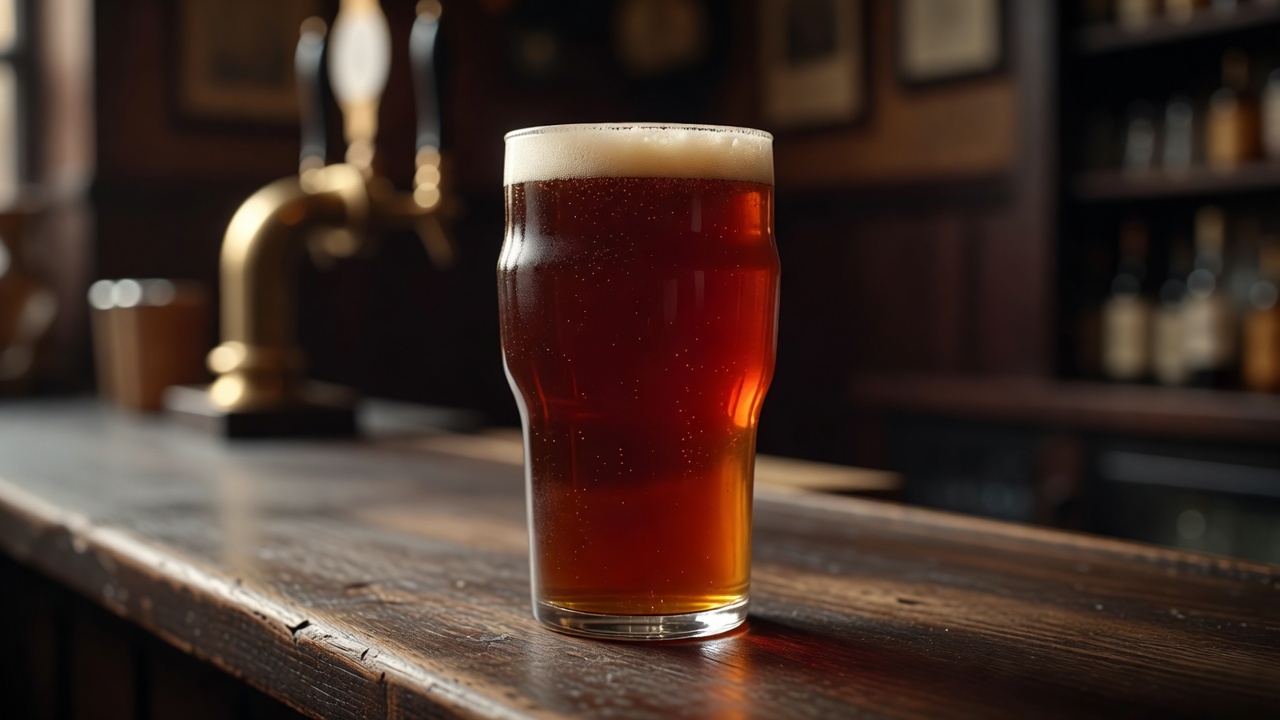
Cask ale — often called "real ale" — is beer that finishes maturing in the container it's served from. Unlike keg beer, which is filtered, often pasteurised and pushed to the tap with added carbon dioxide or mixed gas, cask ale is delivered still containing live yeast. A small amount of fermentation continues in the cask, producing a gentle, natural carbonation. This process is called secondary fermentation or cask conditioning.
The term "real ale" was popularised by the Campaign for Real Ale (CAMRA), founded in 1971 when traditional cask beer was being rapidly replaced by mass-produced keg products. CAMRA defines real ale as beer brewed from traditional ingredients, matured by secondary fermentation in the container from which it is dispensed, and served without the use of extraneous carbon dioxide. CAMRA also runs the Great British Beer Festival, the biggest cask ale showcase in the world.
How a cask is kept
Cask ale is often described as the beer that's "finished by the publican", because cellar skills make an enormous difference to what you drink. When a cask arrives it goes through several stages:
- Stillaging — the cask is laid horizontally on a rack (a stillage) and left to settle.
- Venting — a porous wooden peg called a soft spile is knocked into the top, letting excess carbon dioxide escape as conditioning continues.
- Settling and clearing — finings (traditionally isinglass, derived from fish swim bladders) help yeast and proteins drop to the bottom so the beer pours clear. Some modern breweries skip finings and sell their beer intentionally hazy.
- Tapping — a tap is driven into the keystone, and a hard spile replaces the soft one to hold condition between servings.
Once opened, a cask is exposed to air and should ideally be sold within around three days. That's why venues with a high turnover of cask beer generally serve the freshest pints — and why festival casks are often in superb condition.
The right temperature
Cask ale is not served "warm", despite the cliché. It should be served at cellar temperature, around 11–13°C. That's cooler than a room but warmer than a fridge — and it's ideal for revealing the malt, hop and yeast character of traditional ales. Too cold and the flavours are muted; too warm and the beer becomes flat and flabby. Good festivals use cooling jackets on their casks to keep them in range.
Handpulls and gravity dispense
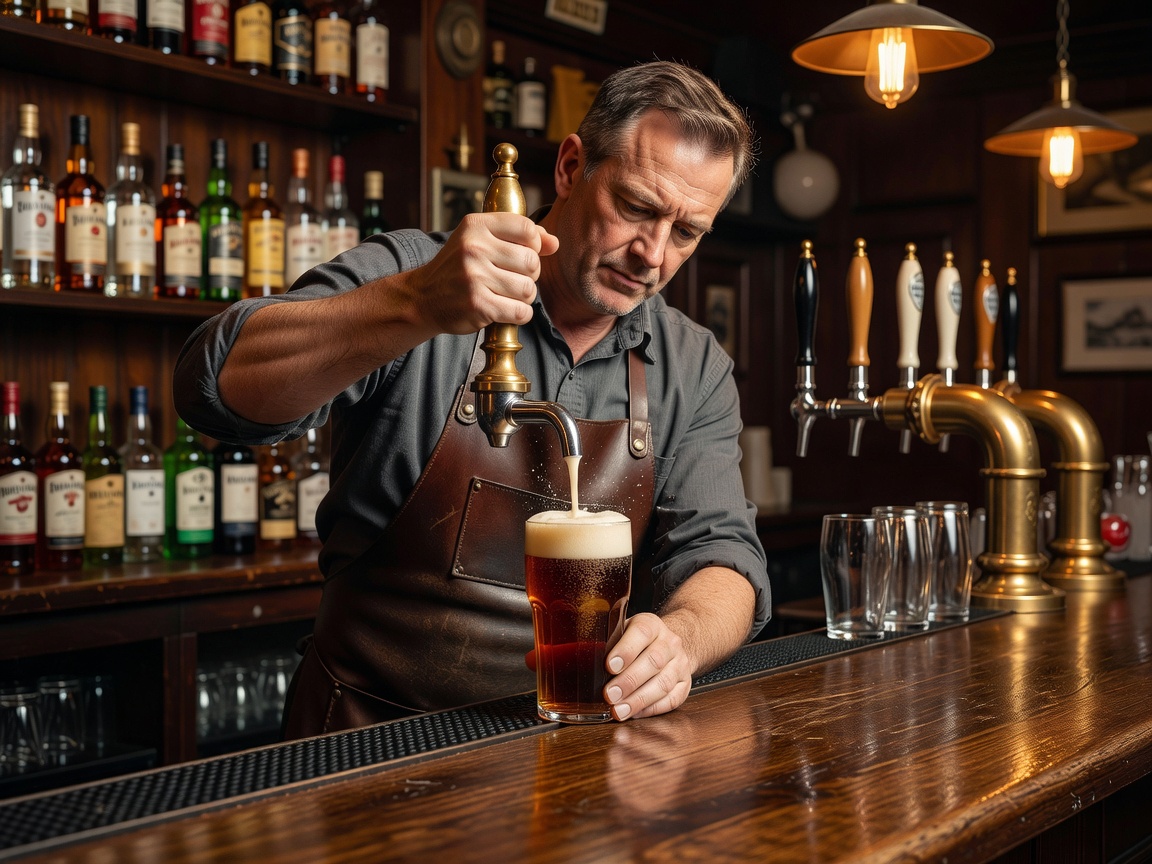
The tall handles you see on British bars are part of the beer engine, a hand-operated piston pump developed in the late 18th century. Pulling the handle draws beer up from the cellar — no gas pressure required. At many beer festivals, cask ale is served straight from the barrel on the stillage, known as serving by gravity, which typically produces a softer, less foamy pint.
The great sparkler debate
A sparkler is a small nozzle with fine holes fitted to the end of the swan neck spout. It forces beer through at speed, knocking out carbon dioxide to create a tight, creamy head. Sparklers are traditional in Northern England and Yorkshire, where many breweries design their beers to be served this way. In the South, many drinkers prefer beer without one, arguing it preserves hop aroma and natural condition. Neither is wrong — it's a regional preference — and most bars will remove the sparkler if you ask.
How to spot a good pint
| Check | Good sign | Warning sign |
|---|---|---|
| Appearance | Clear (unless intentionally hazy), lively bead | Unexpected murkiness or floating bits |
| Aroma | Fresh malt, hops, fruit | Vinegar, wet cardboard or butterscotch notes |
| Temperature | Cool, around 11–13°C | Warm or ice-cold |
| Condition | Gentle natural sparkle on the tongue | Completely flat |
If your beer tastes sour or vinegary, it's perfectly acceptable to politely take it back to the bar. Good pubs and festival bars will happily replace it — and will want to know so they can check the cask.
Look for the Cask Marque plaque in pubs. Since 1998 this independent scheme has assessed venues on the temperature, appearance, aroma and taste of their cask ale.
Styles to try first
- Best bitter — balanced, amber and moderate in strength (typically around 3.8–4.5% ABV). Fuller's London Pride is a classic.
- Golden ale — paler, citrusy and refreshing; a great bridge from lager.
- Mild — dark, low in alcohol and gently malty; a historic working-class favourite.
- Porter and stout — roasty and smooth, often wonderful on cask.
Try it yourself: At a beer festival, order thirds of a pint so you can compare several cask ales side by side. In pubs, staff are usually happy to pour a small taster before you commit.